
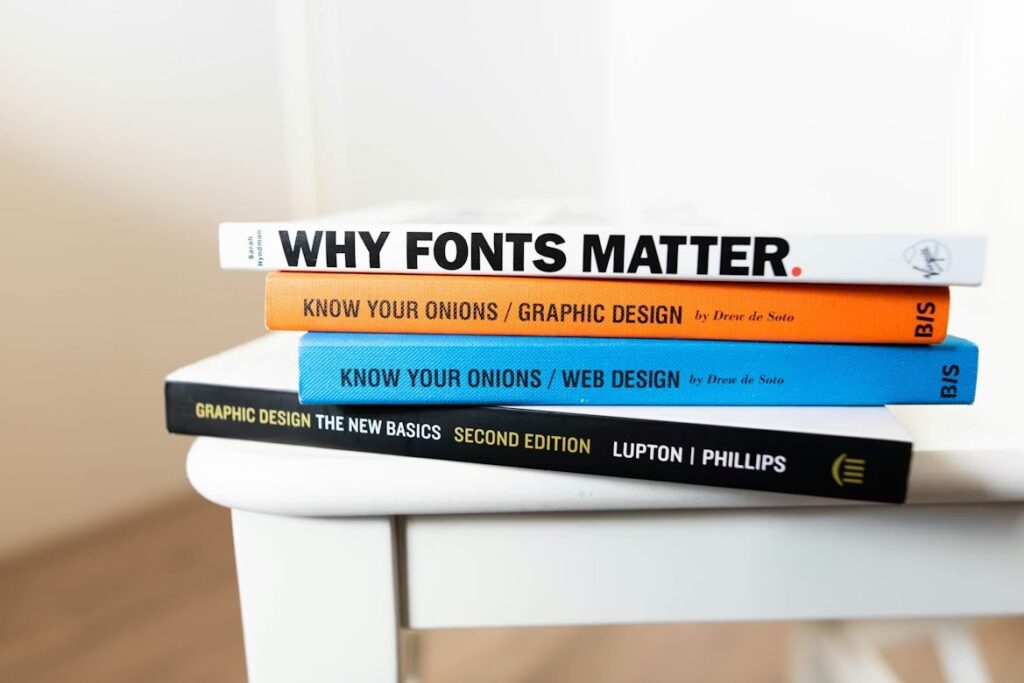
Typography as a Core Element of Visual Identity
Typography is one of the most powerful elements of visual identity. The right typeface can communicate a brand’s personality, establish recognition, and create a lasting impression on its audience. From elegant luxury brands to modern technology companies, typography helps shape how people perceive and connect with a business.
A carefully selected font does more than make words readable. It expresses a brand’s values, supports its visual direction, and creates consistency across different marketing materials.
Why Typography Matters in Branding
A strong visual identity requires consistency. Typography helps bring together a brand’s logo, website, packaging, social media content, advertisements, and printed materials.
When a brand uses typography consistently, its communications become more recognizable. A distinctive typeface can also help differentiate a business from competitors and strengthen its overall visual presence.
For businesses investing in professional branding, choosing the right font is an important step toward building a cohesive identity.
Choosing the Right Typeface for Your Brand
Different font styles communicate different feelings. Understanding these characteristics can help designers select typography that aligns with a brand’s goals.
1. Serif Fonts: Elegant and Timeless
Serif fonts are often associated with sophistication, tradition, and editorial elegance. They are popular choices for luxury brands, fashion labels, beauty products, hospitality businesses, and premium packaging.
High-contrast serifs can create a refined appearance, while more traditional serif styles can communicate reliability and heritage.
2. Sans Serif Fonts: Modern and Versatile
Sans serif fonts often convey simplicity, clarity, and a contemporary personality. They work well for technology companies, lifestyle brands, corporate identities, and digital interfaces.
Their clean appearance makes them versatile across websites, presentations, advertisements, and other marketing materials.
3. Display Fonts: Distinctive and Expressive
Display fonts are designed to attract attention and establish a recognizable visual character. They can be effective for headlines, campaign graphics, fashion branding, and creative packaging.
Because display fonts often have distinctive details, they are usually most effective when used selectively alongside more readable supporting typography.
Typography and Brand Recognition
Consistency is essential when building a recognizable brand. Repeated use of carefully selected typefaces across different touchpoints helps create a unified visual language.
For example, a fashion label might use an elegant serif font for its logo and campaign headlines, while using a complementary sans serif font for product descriptions and website navigation.
This combination can create a distinctive identity while maintaining readability and flexibility.
Tips for Choosing Fonts for Brand Identity
When selecting typography for a branding project, consider the following principles:
Understand the brand personality: Choose a font that reflects the business’s values, audience, and market positioning.
Prioritize readability: Make sure the typeface remains legible across different sizes and applications.
Maintain visual consistency: Establish clear rules for headings, body text, logos, and supporting materials.
Check language support: If a brand operates internationally, verify that the font includes the characters and language support it needs.
Review the font license: Confirm that the license covers the intended commercial use, including logo design, packaging, advertising, and other applications where relevant.
Why Font Licensing Matters for Businesses
Businesses should consider font licensing as part of their branding process. A font license determines how a typeface may be used and whether additional permission is needed for particular commercial applications.
For example, using a font in a website headline may have different licensing requirements from embedding it in an application or distributing editable templates. The exact permissions depend on the font creator’s license terms.
Before using a font in a company logo or a broader brand identity, review the applicable license and contact the foundry if the intended use is unclear.
Elevate Your Brand with the Right Typography
Typography is more than a decorative detail. It is a fundamental part of how a brand communicates, builds recognition, and expresses its personality.
By selecting a typeface that reflects your brand’s identity and using it consistently, you can create more cohesive and memorable visual communications.
Explore Muflieart’s collection of premium fonts to discover elegant serif, modern sans serif, and expressive display typefaces for branding, logo design, packaging, editorial projects, and commercial creative work.
Choose typography that brings your brand vision to life.